1.4%vacancy
Primary market data centre vacancy across the US.
CBRE, H1 2026
One lease in, one lease out. Carv earns the spread on powered compute capacity. We sign one 10 year lease with the landlord and one matching lease with the compute customer. The customer's own deposit and bank letter of credit secure both, a factory-built facility is delivered turnkey, and the landlord pays for the build.
Landlords have the power. Compute companies have the demand. They speak different languages, and every deal starts from scratch. Carv signs one lease with the landlord and one with the customer. The customer's own deposit and bank letter of credit secure the landlord. A factory-built facility arrives in 4 to 6 months, paid for by the landlord. Carv pays the landlord one rent, and receives a higher rent from the customer. The difference is Carv's. Carv earns a development fee at signing, then the spread, every month, for the ten year lease. A fee up front, and recurring income for the life of the lease. Then the same structure repeats, site after site. Carv Compute: powered capacity, delivered turnkey and bankable.
Primary market data centre vacancy across the US.
CBRE, H1 2026
Of capacity under construction is already spoken for.
CBRE, H1 2026
Average wait for a new grid connection. A site with a power path is the scarce asset.
JLL
FY30E net revenue.
Management target
FY30E EBITDA.
Management target
To notice to proceed across ten sites by FY30.
Plan, FY27 to FY30
Of upstream rent covered by the customer's security.
6 MW case study
Our focus band, 3 to 10 MW, is where rent growth is strongest and credit is thinnest.
Change in asking rent, H1 2026, by deal size (%)
Where the grid is not immediately available, run behind the meter (on site generation, off the grid) on gas until grid capacity arrives, then switch. A site with a funded bridge plan can deliver capacity years ahead of its grid date.
| Who | What they sell | Limit for a compute buyer | Turnkey and secured |
|---|---|---|---|
| Powered land owners and developers | Land or built capacity on their own terms | Want security from the tenant first, and sell only what they hold | No |
| Real estate brokers | Introductions to space | Transaction fee only, no structure and no security package | No |
| Colocation and wholesale providers | Space in finished halls | Limited supply, waitlists, and their own pricing and terms | No |
| GPU clouds and neoclouds | Compute capacity by contract | Compete with the buyer for the same powered sites | No |
| Carv Compute | Powered capacity, turnkey, as a long term lease | We act for the customer and route its security to the landlord | Yes |
Our edge is that we sit on the customer's side of the table and bring the security structure with us. We do not sell our own inventory.
Sources: CBRE, North America Data Center Trends H1 2026, 27 Aug 2026. JLL, 2026 Global Data Center Outlook, 5 Jan 2026. Avison Young Q2 2026, via TechTarget, 9 Oct 2026. Cleanview, via Troutman Pepper Locke, Aug 2026. Bisnow, 27 Jul 2026. CRE Daily, 29 Jul 2026. Lev, Data Center Financing 2026, 20 Aug 2026. Positioning table is the Carv Compute assessment of typical business models by category.
Landlords have the power but want tenant credit. Compute companies have the demand but cannot find ready sites. Carv sits in the middle. Select any party to see its role.
A landlord brings a powered site. Carv confirms the power path, location and connectivity.
Carv briefs the development partner on racks, power and cooling, and obtains its price.
One 10 year lease with the landlord, one with the customer, on mirrored terms and default triggers.
The customer's deposit goes into escrow and its bank issues a standby letter of credit, before notice to proceed.
The landlord orders the facility, financed by its lender. Factory build and delivery take 4 to 6 months.
Site works, utility connection and commissioning complete, and the customer's lease commences.
The landlord pays for the facility with its lender. The customer's deposit and letter of credit provide the security. Carv's own costs are a small team and the work before a site is signed.
An optional fee paid by the customer at notice to proceed, set at US$100K per MW in the plan. It bridges the period before the first spread.
Illustrative case: about US$0.6M on a 6 MW site.
Carv pays the landlord one rent and receives a higher rent from the customer. The difference is Carv's for the life of the lease: US$75 per kW-month in the case study.
The spread starts about 12 months after notice to proceed. The 4 to 6 month factory build sits inside that period.
Hold the spread for long term income, or sell the position for cash with no ongoing liability. The rule in both cases: we never owe the landlord anything we cannot collect from the customer.
Illustrative figures to explain the mechanics. Not a forecast, quote or offer.
Credit comes from the customer's own cash and its own bank. Carv routes it to the landlord and writes it into both leases.
Ten months of the downstream fee, paid into escrow before notice to proceed. All of it is held as security for the landlord. In the 6 MW case study that is US$19.5M.
Issued by the customer's bank and transferable to the landlord's bank. About three months of upstream rent, US$4.5M in the case study.
The landlord recognises the customer and Carv's role, with non-circumvention in every document. Same term and mirrored default triggers: on default the landlord draws the letter of credit, then the deposit. Limited recourse: Carv owes no more than it collects.
Months of upstream rent covered. 6,000 kW at US$250 is US$1.5M a month
About 16 months of rent, more than five times the assumed 2 to 3 month re-let. This is the credit support the landlord's lender needs to finance the build.
Primary market vacancy is a record low 1.4% (CBRE, H1 2026), and the landlord holds a built, energised facility.
A landlord's lender finances the build against the customer's security. That is what lets a landlord say yes without taking on a new company's credit risk.
Carv specifies a modular, liquid cooled facility and obtains the development partner's price. The landlord orders and pays for it. It arrives tested, as one package.
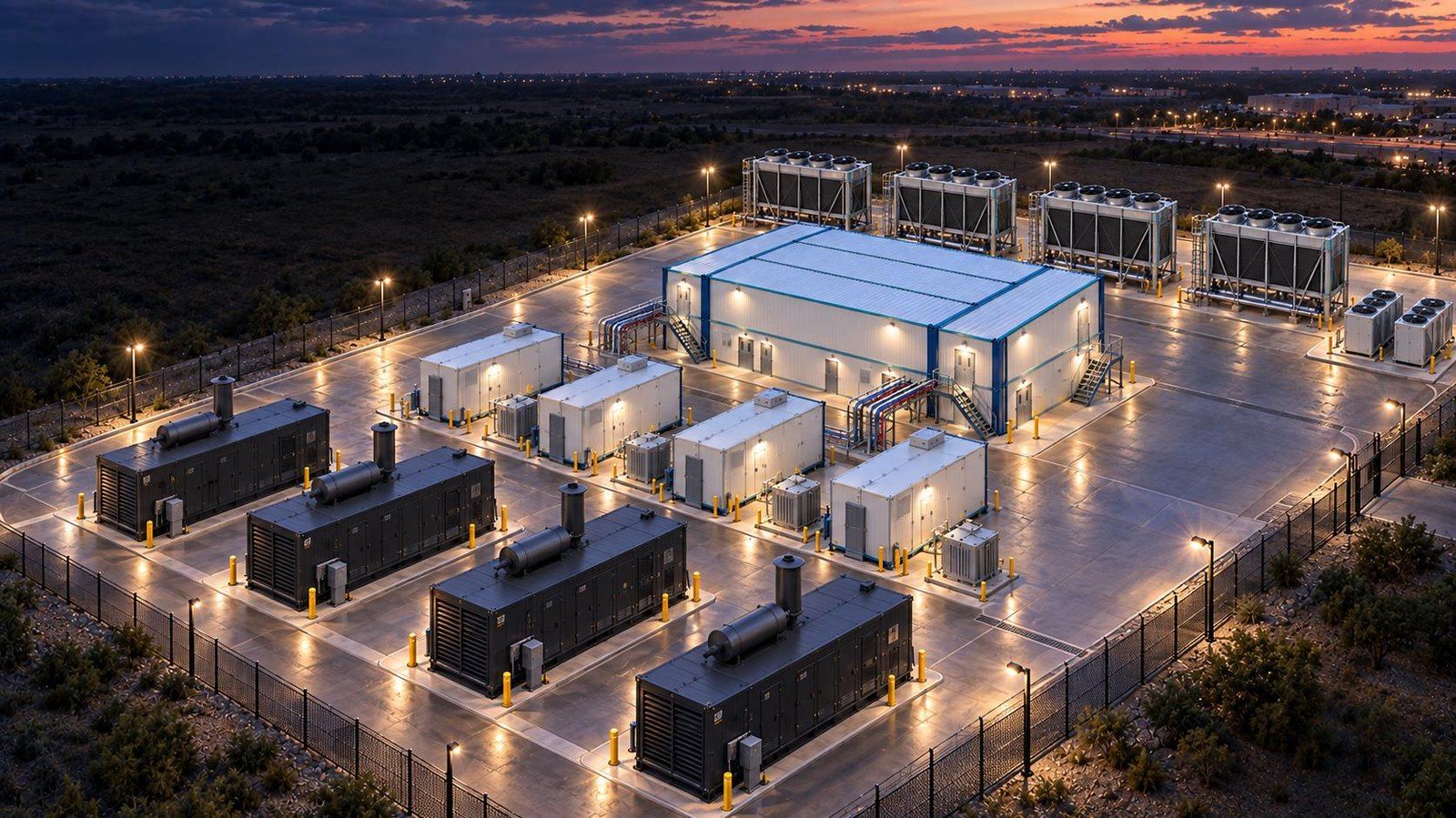
Our 3 to 10 MW focus band sits across the Block and Hub scales, and larger sites phase in blocks of about 5 MW. Source: AISPEX portfolio and product materials, 2026.
Ten sites averaging 6 MW, a US$75 per kW-month spread (the same as the case study) and a US$100K per MW development fee at notice to proceed. Each site goes live about 12 months after notice to proceed. Management targets, not forecasts.
Net revenue and EBITDA, US$M
| US$M | FY27 | FY28 | FY29 | FY30 |
|---|---|---|---|---|
| New MW to notice to proceed | 6 | 12 | 18 | 24 |
| Live MW at year end | 0 | 6 | 18 | 36 |
| Average live MW in year | 0 | 4 | 12 | 27 |
| Development fees | 0.6 | 1.2 | 1.8 | 2.4 |
| Spread income | 0.0 | 3.6 | 10.8 | 24.3 |
| Net revenue | 0.6 | 4.8 | 12.6 | 26.7 |
| Operating costs | (0.8) | (1.6) | (2.4) | (3.2) |
| EBITDA | (0.2) | 3.2 | 10.2 | 23.5 |
| Downside EBITDA | (0.5) | 0.2 | 2.1 | 6.1 |
Half the MW and a US$50 spread, with costs held at plan: still EBITDA positive from FY28. The raise funds the runway before the first fees arrive.
Assumes ten sites averaging 6 MW, a US$75 per kW-month spread, a US$100K per MW development fee at notice to proceed, each site live about 12 months after notice to proceed (including the 4 to 6 month factory delivery, site works, utility connection and commissioning), spread earned on the average live MW in the year, and an all-in operating cost of US$0.8M for each site signed. Net revenue is shown after the upstream lease payment.
Annual net revenue, US$M
Extends the plan with 24 MW to notice to proceed each year from FY30 to FY37, on the same US$75 spread, US$100K per MW fee and 12 month path to live. Each lease runs ten years from going live, so the first leases run to about FY37 and none expires within the period. Operating costs stay at US$0.8M for each site signed (US$3.2M a year from FY30), with no separate allowance for managing live sites. Net revenue is after the upstream lease payment. Management targets, not forecasts.
The investor funds the runway until Carv is self funding. Shares are issued as each draw is made, at a fixed US$4M post-money valuation, up to 30%.
Runway facility, drawn monthly net of fees received.
Cap, or 18 months from first close, whichever comes first.
Maximum ordinary shares, at a fixed US$4M post-money valuation.
Shares issued, by when the first fee lands
First year draw: US$0.2M in the plan (5% of the equity) and US$0.5M in the downside (12.5%).
Most cash is at risk until the customer signs. The landlord pays for the build and the customer posts the security at notice to proceed, not Carv.
Use of the US$0.8M
Illustrative terms for discussion, subject to securities counsel and agreed documentation. A general introduction for prospective investors. Projections and targets are illustrative, not forecasts or guarantees. Not an offer or solicitation to buy or sell any security. Any raise would be made only through a registered party under applicable securities laws. Take your own legal, tax and financial advice.
What could go wrong, and how the structure manages it.
Without one, no landlord or lender proceeds.
Screen first: deposit and bank letter of credit required before any non-refundable commitment.
No balance sheet at first, landlords may resist limited recourse, and their lender must accept the security.
Customer security delivered direct with a recognition agreement. Terms negotiated per deal.
Transferable standby letters of credit for non-investment grade buyers are unproven at scale.
Confirm with the bank partner before the first site. Fall back to a larger cash escrow.
About US$1.8bn of rent over the 10 year terms across 60 MW, against US$540M of spread.
Back to back with the customer, secured by deposit and letter of credit, limited recourse to Carv.
10 year lease against contracts of up to 5 years. Re-let assumed at 2 to 3 months, depending on demand.
Same term both sides. Deposit and letter of credit cover about 16 months of rent, over five times the assumption.
Landlord and customer deal directly.
Non-circumvention in every document. Control the introduction. Fee or spread agreed first.
Single supplier in Houston: factory capacity, lead times, air permits and late delivery.
Fixed price turnkey, long-stop dates, factory acceptance testing, second source qualified.
If the first site is slow to sign, the US$0.8M runway is spent before the first fee arrives.
Name the first opportunities before close. The fee at notice to proceed offsets draws. At the 18 month longstop, drawdowns and equity stop.
Each site rests on one compute buyer, and an AI downturn could slow signings or strain a customer.
Screen first and take security up front, with about 16 months of rent held. Spread across sites and customers as the portfolio grows.
One founder carries site origination, buyer relationships and structuring today.
The raise funds a core team, a bank partner and counsel. Delivery is shared with the development partner.
Brokerage licensing and securities rules on the raise.
State by state advice. Principal on the leases. Capital raising through a registered party.
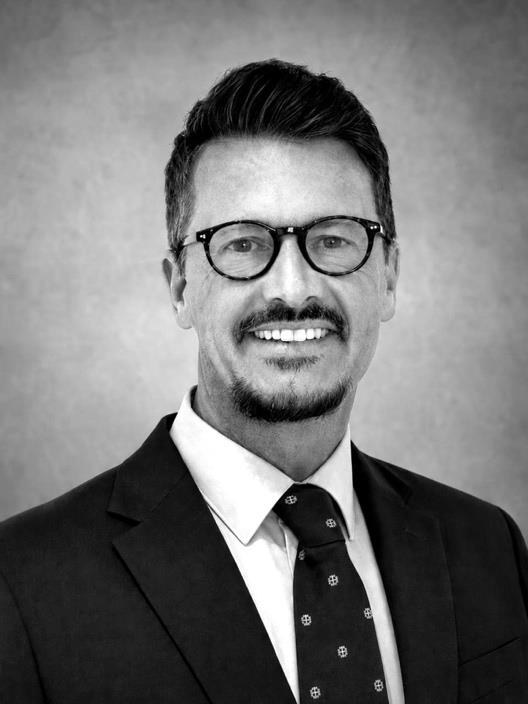
Chartered Surveyor with 30+ years leading large scale infrastructure delivery, investment and capital structuring across the GCC, and more recently, AI compute and powered land development in the US. He has worked on both sides: as a government executive shaping the framework, and as a private sector leader deploying capital within it.
Aggregate portfolio experience.
Committed joint investment secured.
Years of experience in infrastructure, investment and capital structuring.
The raise funds the core team, a bank and credit partner and legal counsel.
Carv is at an early stage. The sequence below is the plan, not a record of completed deals.
First site secured and taken to notice to proceed: deposit in escrow, letter of credit transferred. Bank partner appointed.
First spread income begins. EBITDA positive and self funding. Two further sites reach notice to proceed.
Securitisation (selling the contracted spread income to investors) considered, if needed, for credibility and cost of capital.
Four more sites: 60 MW to notice to proceed in total. Platform extensions live: bridge power and finance.
Carv already has direct relationships with the end users, the compute buyers. Reaching the end buyer is the costly part, and we have already done it. Brokers, lenders and equipment partners add reach, and no site is committed without a customer.
South Carolina, Nebraska, Oklahoma, Alabama, Louisiana, Utah and Texas, each with powered sites already identified. None is committed, and site details are shared in diligence. Management view, not a commitment to any site.
Two ways: an optional development fee paid by the customer at notice to proceed (US$100K per MW in the plan), and the spread between the rent Carv pays the landlord and the rent the customer pays Carv, starting about 12 months after notice to proceed. Carv can hold the spread for long term income, or sell the position for cash.
No. The landlord orders and pays for the facility, financed by its lender. The customer's deposit and letter of credit provide the security. Carv's costs are its team and the work before signing.
Carv is a party to both leases, so the downstream lease mirrors the upstream one on term, rent and default triggers. In the plan that is about US$1.8bn of rent over 10 years across 60 MW, against US$540M of spread. It is back to back with the customer, secured by the escrow deposit and bank letter of credit, with limited recourse to Carv.
A funded compute buyer, not investment grade, that brings a bank letter of credit and a large deposit. Carv screens for this before any non-refundable commitment. A buyer that cannot post security is not a Carv customer.
It is modelled on a current market transaction with the parties removed for confidentiality. Figures are rebased, rounded and illustrative.
Early. The structure, brand, film and materials are built. The first site, customer and landlord are still to be signed. The roadmap shows the sequence.
No. The case study rents, spread and fee are illustrative, to show how the model works. The plan figures are management targets, not forecasts or guarantees.
No. This page is a general introduction for prospective investors. It is not an offer or a solicitation to buy or sell any security. Any raise would be made only through a registered party under applicable securities laws.
Fill in the form and the message writes itself on the right. Copy it and send it to us. Nothing is submitted from this page.